Cowell

Posture, movement and fitness screening · ages 6 to 16

Good movement is a habit. Habits start early.

We look at how children aged 6 to 16 stand, move and perform, and we show you what to work on while a growing body still changes easily.

  • Built on pGALS
  • SAI Khelo India battery
  • Ages 6 to 16
A sample profileAge 11
  • Shoulders not levelscapulaAttention
  • Flattened arch on standingfoot bonesMonitor
  • Cannot put hands behind the neckshoulderClear

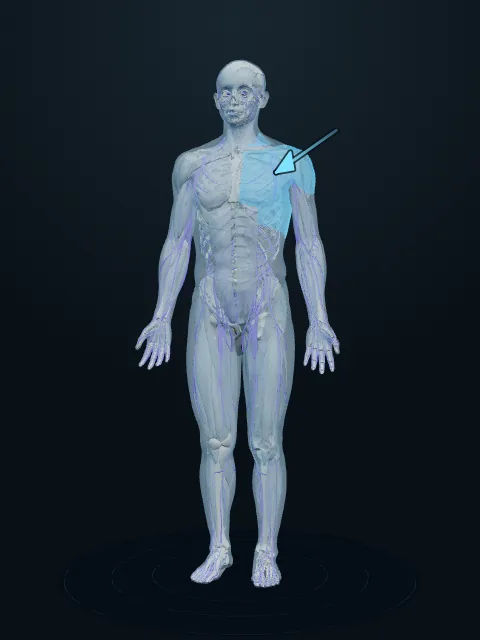
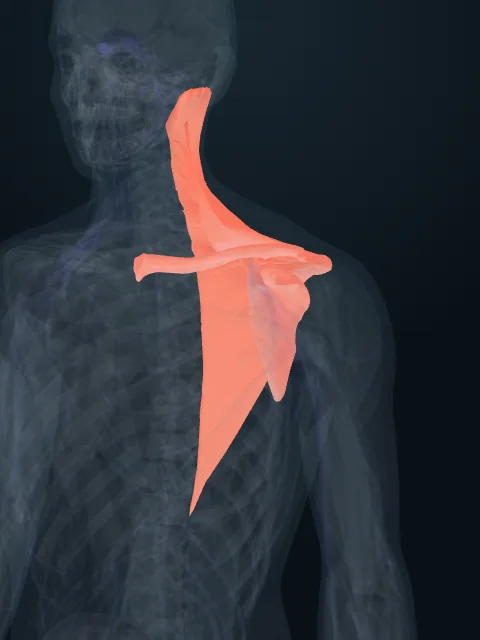
One line per finding, each opening into the body it sits on. The child is invented, the patterns are real.

The part nobody checks

None of it hurts enough to mention

A child who stands with one shoulder low, lands heavy on the same leg or cannot reach properly overhead is rarely taken to anyone about it. Sports day measures who is fastest. The school check records height and weight. The years a growing body changes most easily are the years nobody looks closely.

  • Sits twisted to one sidePut down to slouching
  • Always lands on the same legPut down to being clumsy
  • Tires long before the othersPut down to not liking sport

What the research says

Five published Indian studies, each screening school children and each finding a share of them with something worth following up. Most have never been asked, and a body between 6 to 16 is still growing, which is exactly when a habit of standing or moving is cheapest to change.

Three visits’ worth of information, in about twenty minutes.

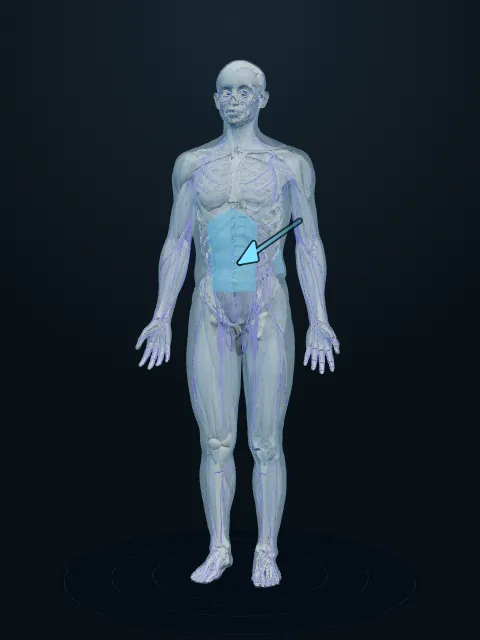
  1. A ghosted figure with the lower back marked, the view the camera is set up to catch
    01

    Twenty minutes, in a hall

    Your child walks the length of the room, reaches up, bends forward and squats down, while a phone on a stand records it. Nothing to take off, nothing to swallow, no machines.

  2. STRENGTHSTAMINAFLEXIBILITYBALANCEAGILITYENDURANCE
    02

    6 tests, the national way

    A sprint, a shuttle run, a sit and reach, curl-ups and the rest, taken exactly as the Khelo India manual sets them out. The score means the same here as it would at any other school in the country.

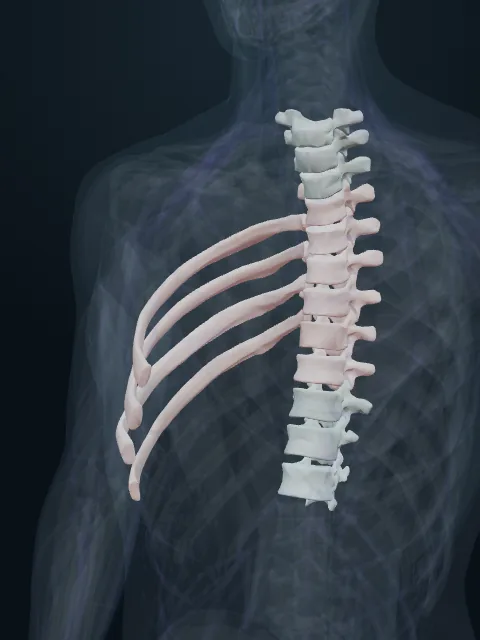
  3. Vertebrae and ribs picked out in colour against a ghosted upper body
    03

    A body you can turn

    Every finding sits on the part of the body it belongs to. You open it, turn it and look at what it involves, with a plain sentence saying what to work on and what to simply keep an eye on.

What comes back

Two questions, kept apart

How the body is put together, and what it can actually do. Different instruments sit behind each one, so the report never blurs them into a single verdict.

  • 25 patterns across posture, movement and fitness
  • 6 fitness measures, each read against the same age and sex
See a sample report

What a finding is

Something you can look inside

Not a line in a letter. A part of the body you turn around, open up and look into, down to the muscles and bones it involves.

  • 60 regions, opened one at a time
  • 833 named structures across 4 layers
Browse all 25

Standards that already existed

pGALS

paediatric Gait, Arms, Legs and Spine

A published screening examination for school-aged children: three questions and a short run of movements, used by clinicians around the world to decide who needs a closer look.

Foster & Jandial, Pediatric Rheumatology 2013

What it is for

Finding the children who need a closer look, quickly and without a scan. A filter rather than a diagnosis, which is why it works in a school hall.

Khelo India

SAI Khelo India Fitness Assessment

India's national school fitness battery, scored against children of the same age and sex. Every result comes from its own published tables, so a score here means what it means anywhere else.

Sports Authority of India

Finding talent early

The first honest read on what a child is built for. The shape of a fitness profile points at the sports worth trying, and shows just as plainly where the training should go.

Between them they give us 25 patterns to look for and 6 measures of what a body can do. Every one of them is shown on the part of the body it belongs to, and every number traces back to a table you can read for yourself. See all 25.

  • 7Alignment and posture
  • 14Movement and range
  • 4Fitness (Khelo India)

Find out what a growing body is already telling you.

For schools, academies and clinics screening children aged 6 to 16. A whole year group fits into a morning.

Book a screening